Local SEO is the process of making sure your business appears when people near you search for what you offer. When someone types something like “bakers near me” or “best aesthetic clinic in Karachi,” Google has to decide which businesses show up in the map results. Local SEO is how you influence that choice, so Google sees your business as relevant, trustworthy, and worth showing to nearby customers.
This is not about hacking the system or tricking Google. It is about presenting a clear, consistent story about who you are, where you operate, what services you provide, and how customers feel about you.
When that narrative is clean, complete, and aligned across your Google profile, your website, and the wider internet, Google can confidently surface your business to the right people.
Google uses three core signals when it detects local intent.
- Relevance: How well you match what the searcher wants. If someone searches “emergency dental care,” only clinics offering actual emergency services should appear.
- Distance: How close you are to the person searching. Even strong businesses do not rank across an entire city, so performance varies by neighborhood.
- Prominence: How credible your business appears online. Reviews, your Google Business Profile, your website, and your wider presence contribute to this.
Once you understand these signals, everything else in local SEO becomes about structuring your presence and making your signals clear.
Local SEO Strategy
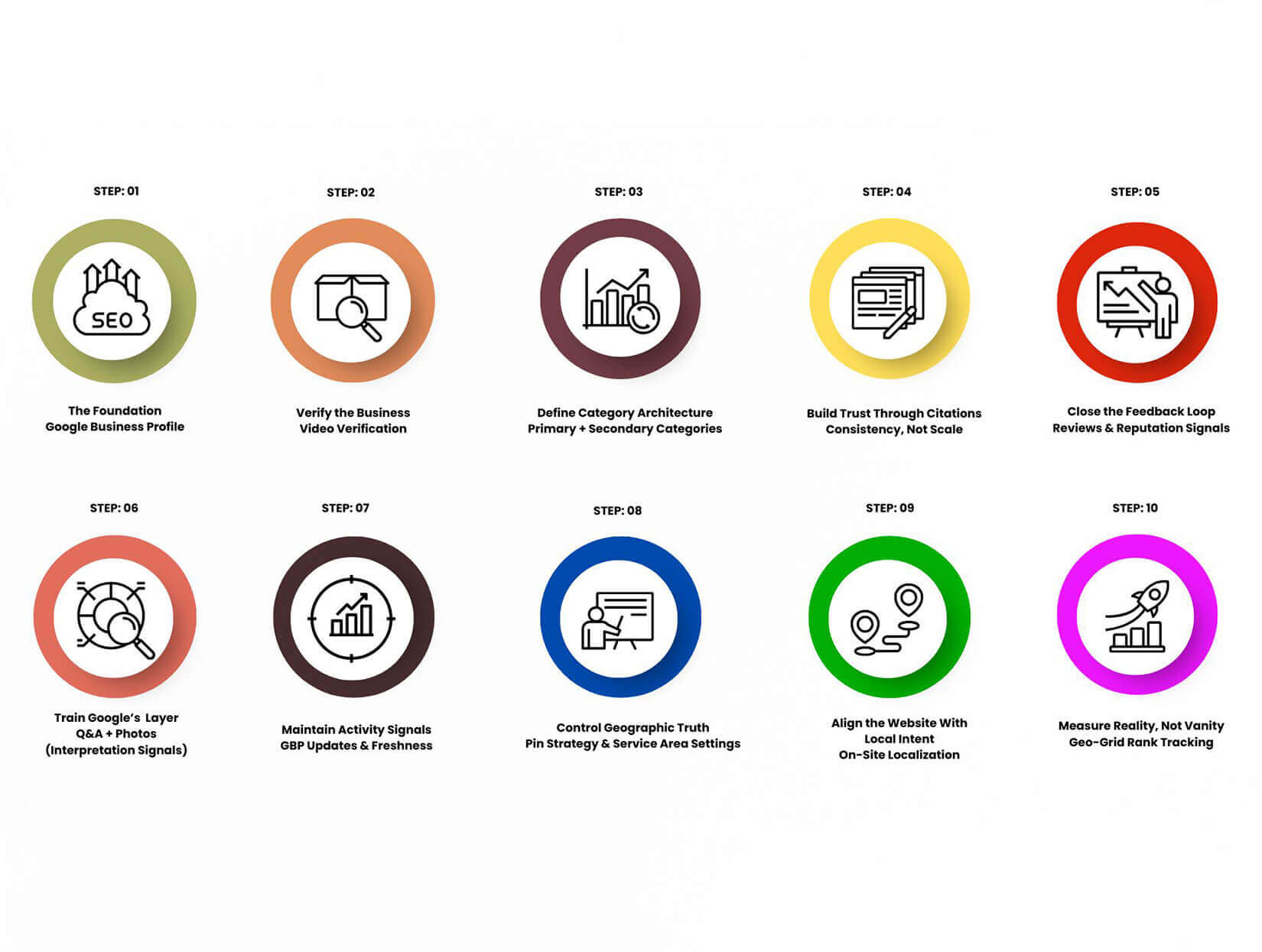
The foundation: Getting your Google Business Profile right
Your Google Business Profile, or GBP, is the core asset in local SEO. It is the box people see in Google Search and Google Maps that shows your name, number, photos, reviews, hours, and location. You can think of it as your digital storefront. If the information is incomplete or inconsistent, the experience becomes unreliable, and Google will hesitate to show it to you.
A properly built GBP is the entry point into local search visibility. If this foundation is weak, no amount of website work or advertising can compensate for it. At this stage, two pieces matter most: video verification and category selection.
Video verification: Proving Your Business is Real
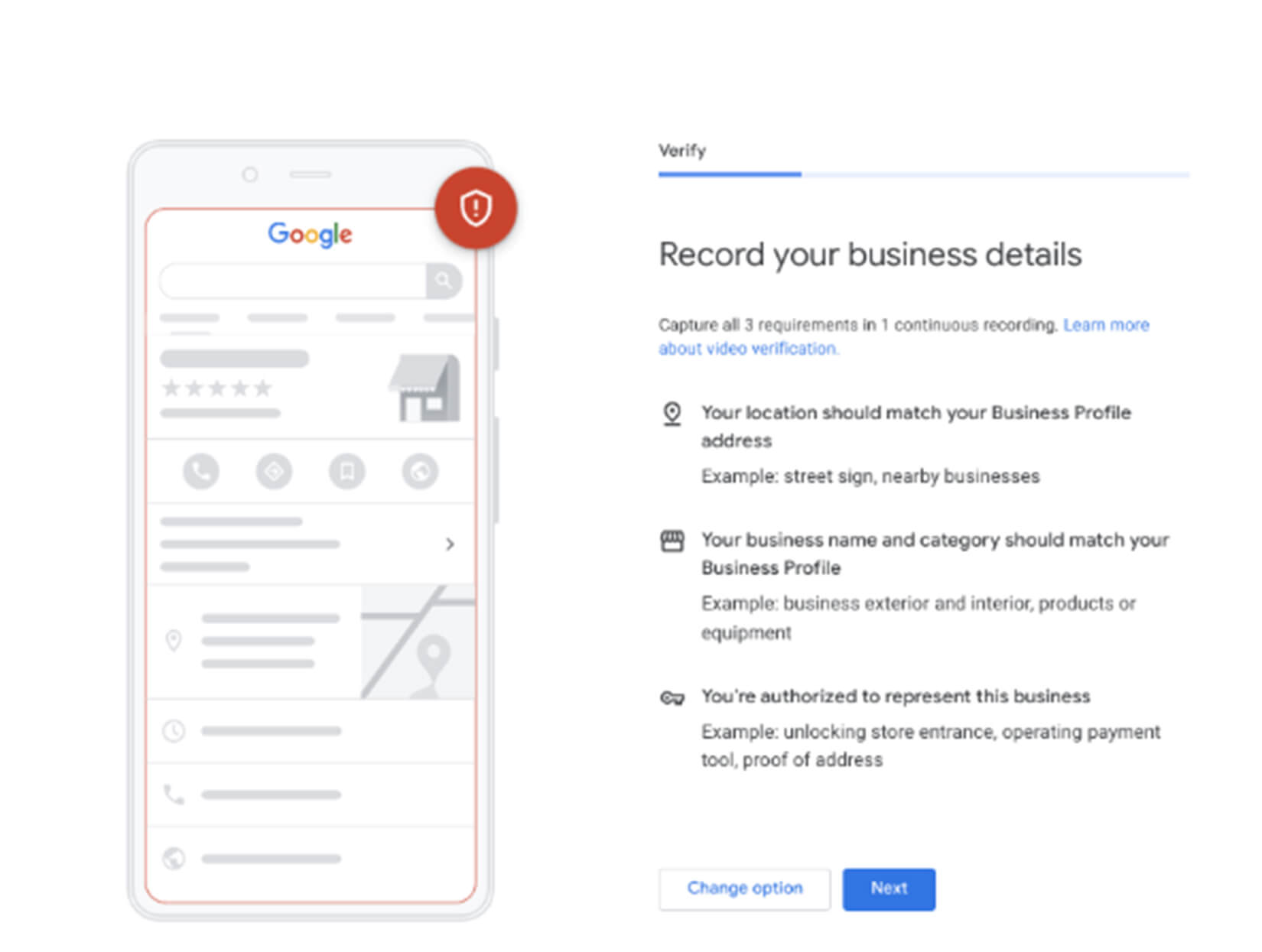
Google has phased out postcard verification and now verifies most businesses through a short, continuous video. The purpose is straightforward. Google wants proof that your business exists at the location you claim and that real operations happen there.
The video is recorded in one continuous shot and needs to cover three things:
- A staff member on site who clearly belongs to the business
- The exterior of the location with visible signage
- The interior workspace with tools, equipment, inventory, or documents that prove real operations happen there.
For service-area businesses without a public storefront, Google expects operational evidence rather than a shopfront. Strong examples include:
- A pest control company showing its chemical storage, safety gear, equipment, and a technician in uniform
- A home cleaning service showing its supply shelves, labeled cleaning kits, and staff preparing for jobs
- An HVAC business showing its parts inventory, diagnostic tools, and workspace
- A home renovation team showing its workshop, material racks, cutting tools, and project planning board.
The rule is straightforward: show objective evidence of your business. Avoid rented offices, staged setups, or borrowed equipment, as these create red flags and slow the process. When the video captures your actual operations in a single clean shot, verification moves quickly and removes one of the biggest blockers in local SEO.
Digital Eggheads guides clients on exactly what to show and how to record it to avoid rejections and unnecessary back-and-forth.
Category Architecture
Helping Google Understand What You Do
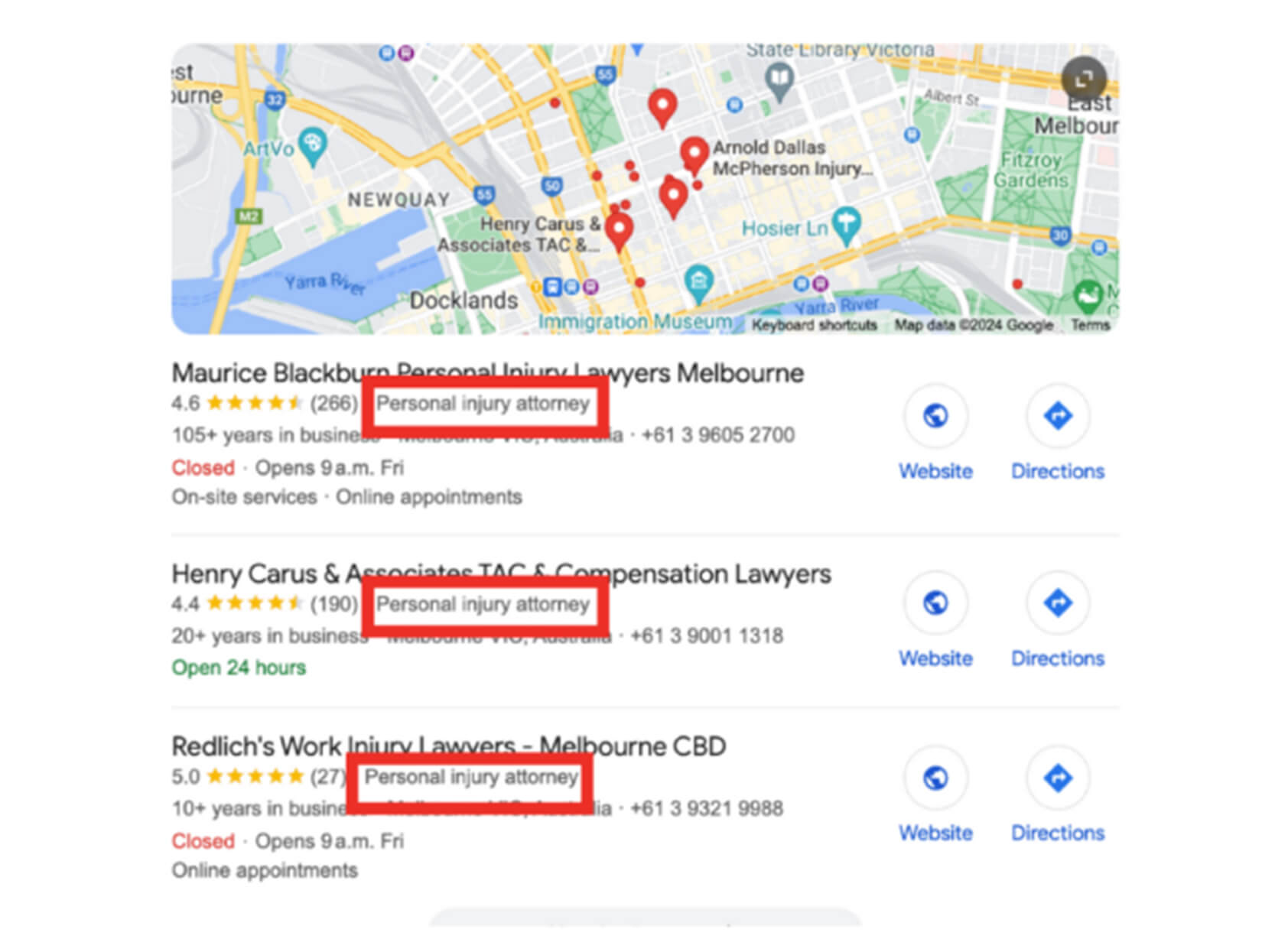
Categories may look simple, but they are one of the strongest signals inside your Google Business Profile. Your primary category tells Google what your business actually is. If that category is too broad or inaccurate, you will struggle to appear for the right searches.
Choosing the correct primary category and a focused set of secondary categories helps Google match your business to real customer intent. For example, someone looking specifically for an emergency dentist should not see a generic “dental clinic” unless that clinic genuinely offers emergency services and states clearly.
A solid category structure aligns three things: the language your customers use, the services you offer, and the competitive landscape in your area. Digital Eggheads studies these patterns, reviews competitor profiles, and chooses categories that give your business the clearest and strongest positioning.
How Google Interprets Q&A and Photos
Local search is powered by machine learning that goes far beyond simple text fields. Google analyzes what customers ask, what they expect, and how a business presents itself. This is why two elements in your Google Business Profile have a significant influence: the Q&A section and your photos.
Google does not train AI models directly from your questionnaires or photos, but these inputs still shape how its algorithms understand your business and match it to relevant local searches.
The Q and A strategy
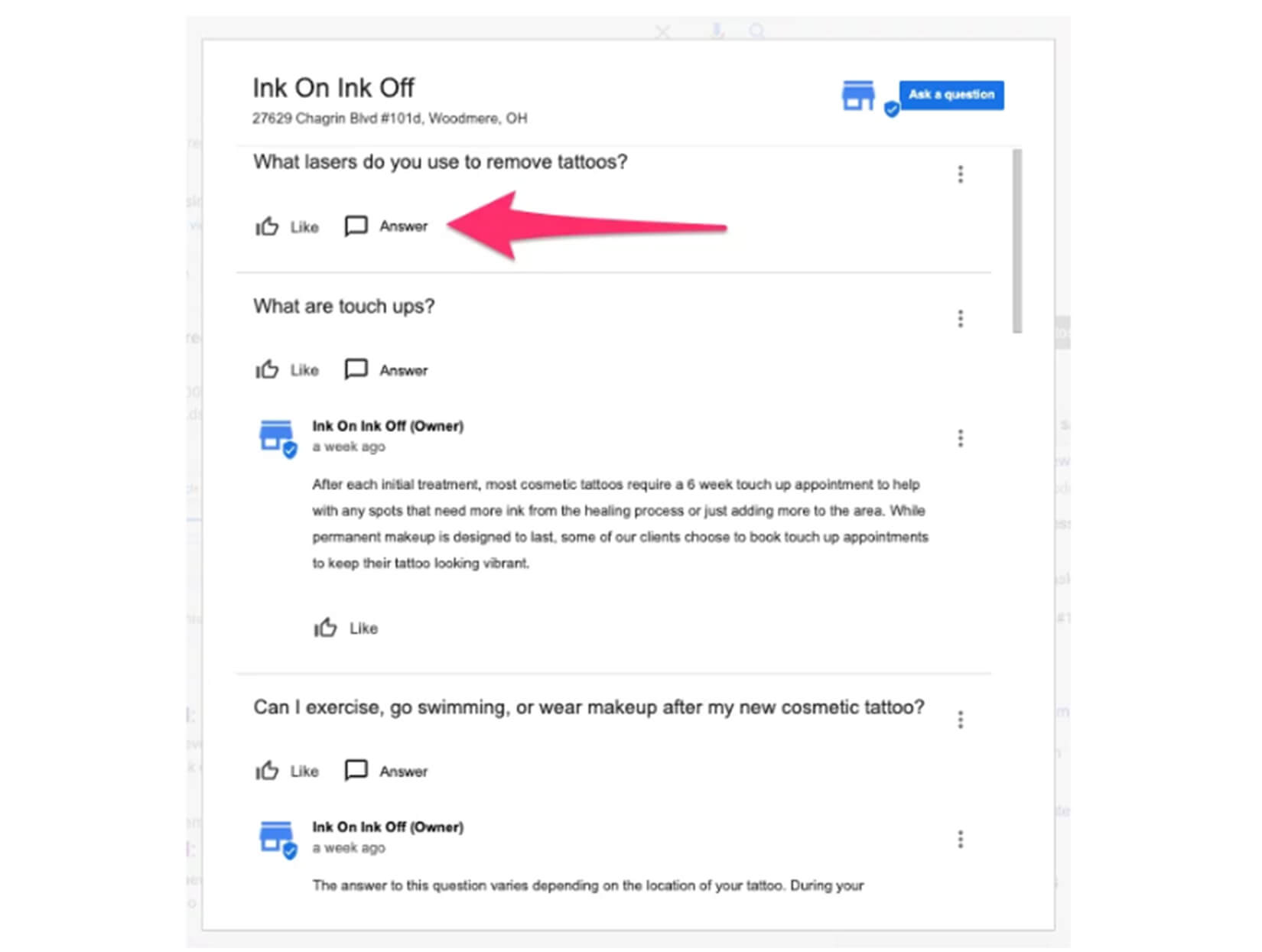
Most businesses ignore the Q&A section on their profile, but it is one of the easiest ways to help both customers and Google. Instead of waiting for people to ask questions, you can seed the common ones you already receive by call, message, or in person.
When answered clearly, these questions help customers understand your services and help Google learn which long tail searches you should appear for. A specific answer like “Yes, we provide emergency AC repair in Gulshan after 6 pm” carries far more value than a generic “yes.”
The tone should stay human, friendly, and to the point. Think of it as customer service, not keyword stuffing.
Geo-Tagged photos
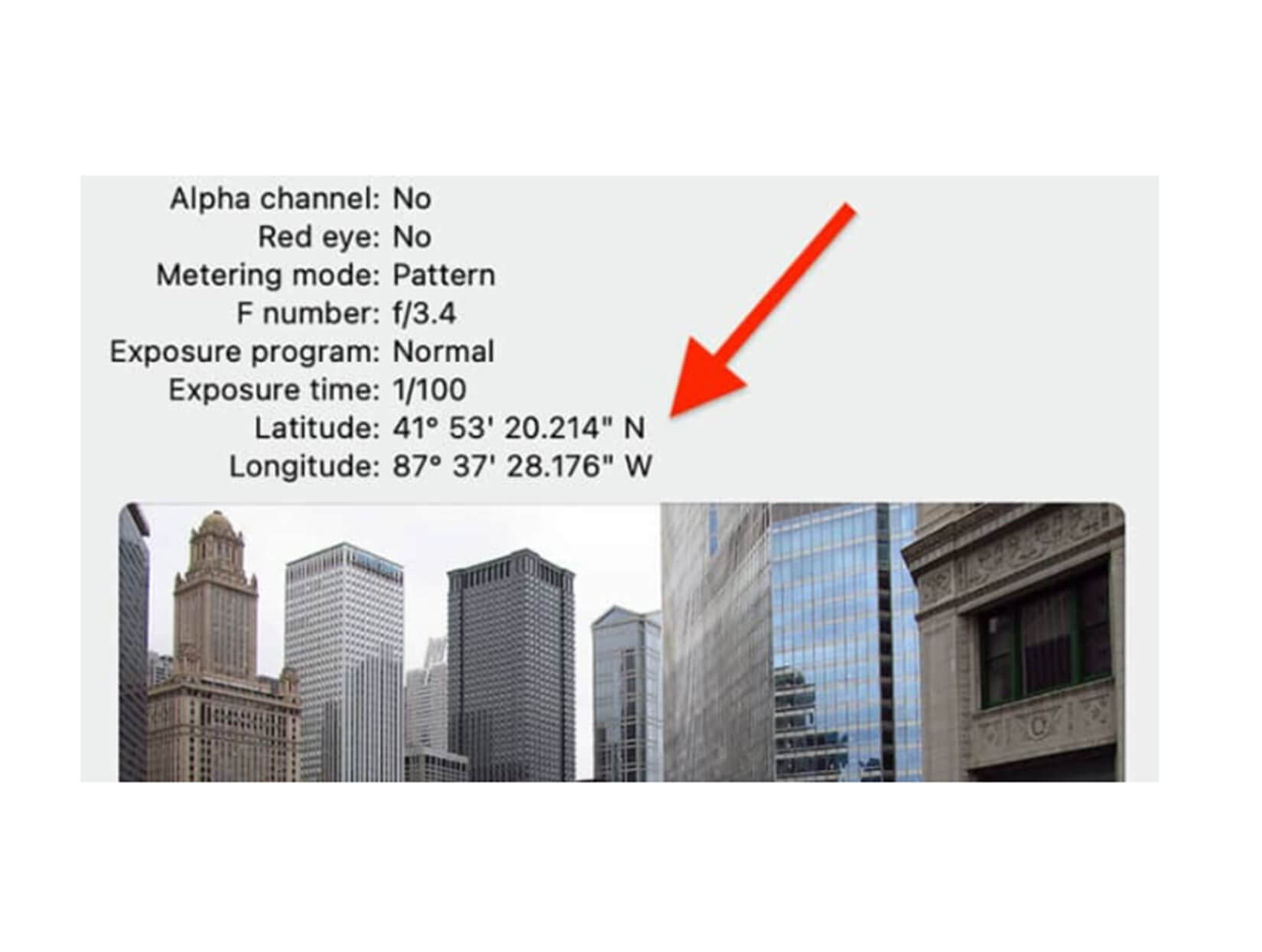
Photos are not just visuals. Google scans them to understand what your business looks like, which services you provide, and whether your online identity matches your real-world presence.
High-quality, authentic photos that show your interior, exterior, products, staff, and surroundings help build trust. When these photos also carry accurate location data, they reinforce that the business is active and genuinely based where you claim.
Stock images do nothing, real photos do everything. Digital Eggheads can handle formatting, optimization, and uploading to ensure your visuals support your search visibility.
GMB Updates: Staying Active and Relevant
Regular GBP updates help Google’s AI understand that your business is active, maintained, and responsive.
Strong update examples:
- New services added to the “Services” section
- Updated holiday hours or seasonal timings
- Posting weekly updates, offers, or announcements
- Highlighting staff training, certifications, or new equipment
- Adding fresh photos during peak seasons or events.
Google does not reward noisy posting. It rewards useful, accurate updates that improve customer understanding.
Posting weekly signal activity. Updating services signals relevance. Updating hours signals reliability. All three support local ranking strength.
The Pin Strategy
The “Service Area Settings” (Custom Maps)
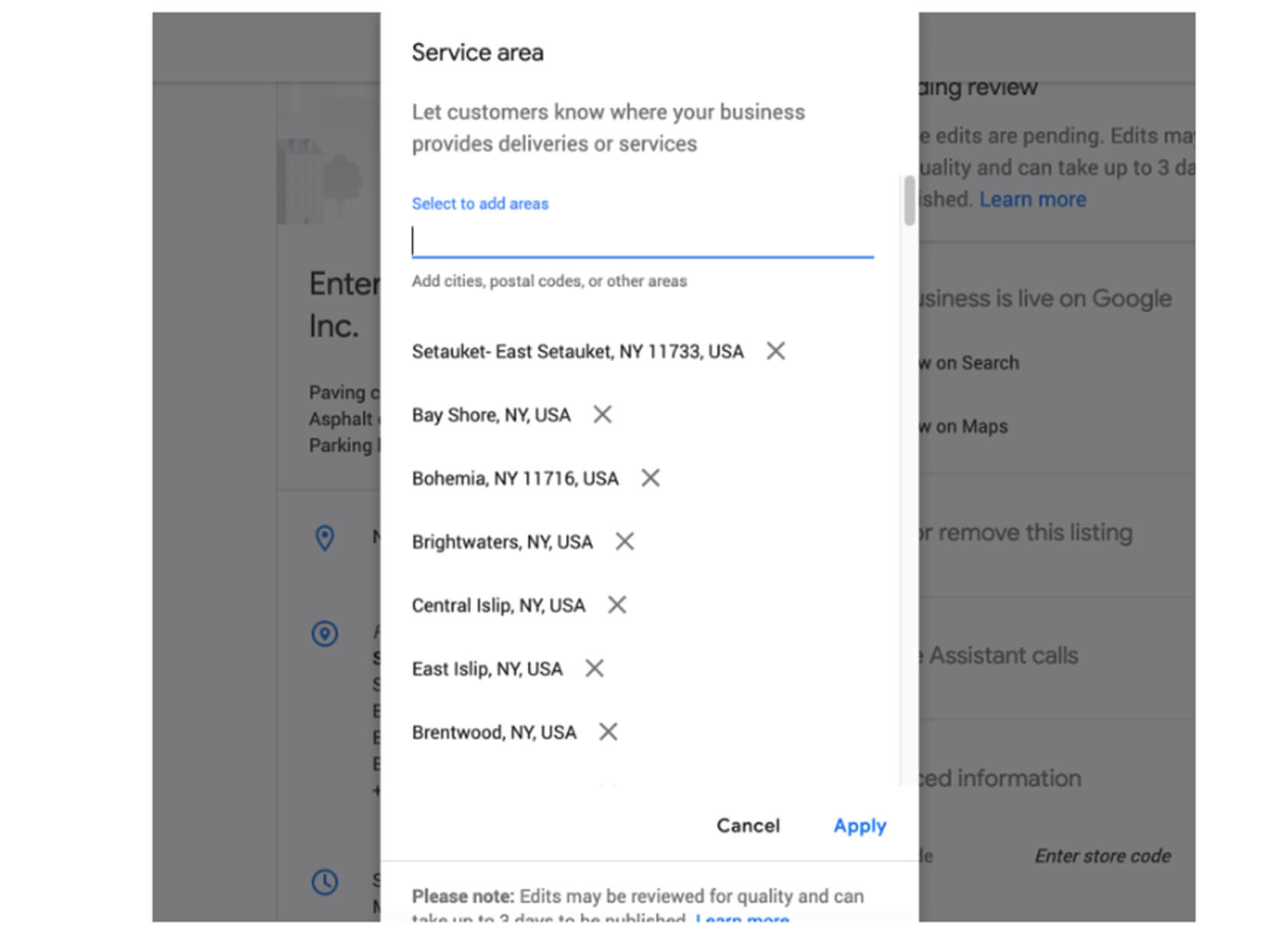
In the past, businesses would try to rank everywhere by creating fake locations. Today, that approach leads straight to suspensions and long-term damage.
Instead, the recommended approach is your “Service Area Polygon,” which acts as a truth layer around your actual operations. For storefront businesses, your map pin must match your real, verifiable address. For service area businesses, you define the neighborhoods or districts you genuinely serve.
This clarity helps Google accurately position you in the areas that matter commercially. Moreover, it protects your profile from violations and makes your ranking improvements more stable.
Niche Citations: Consistency Over Quantity
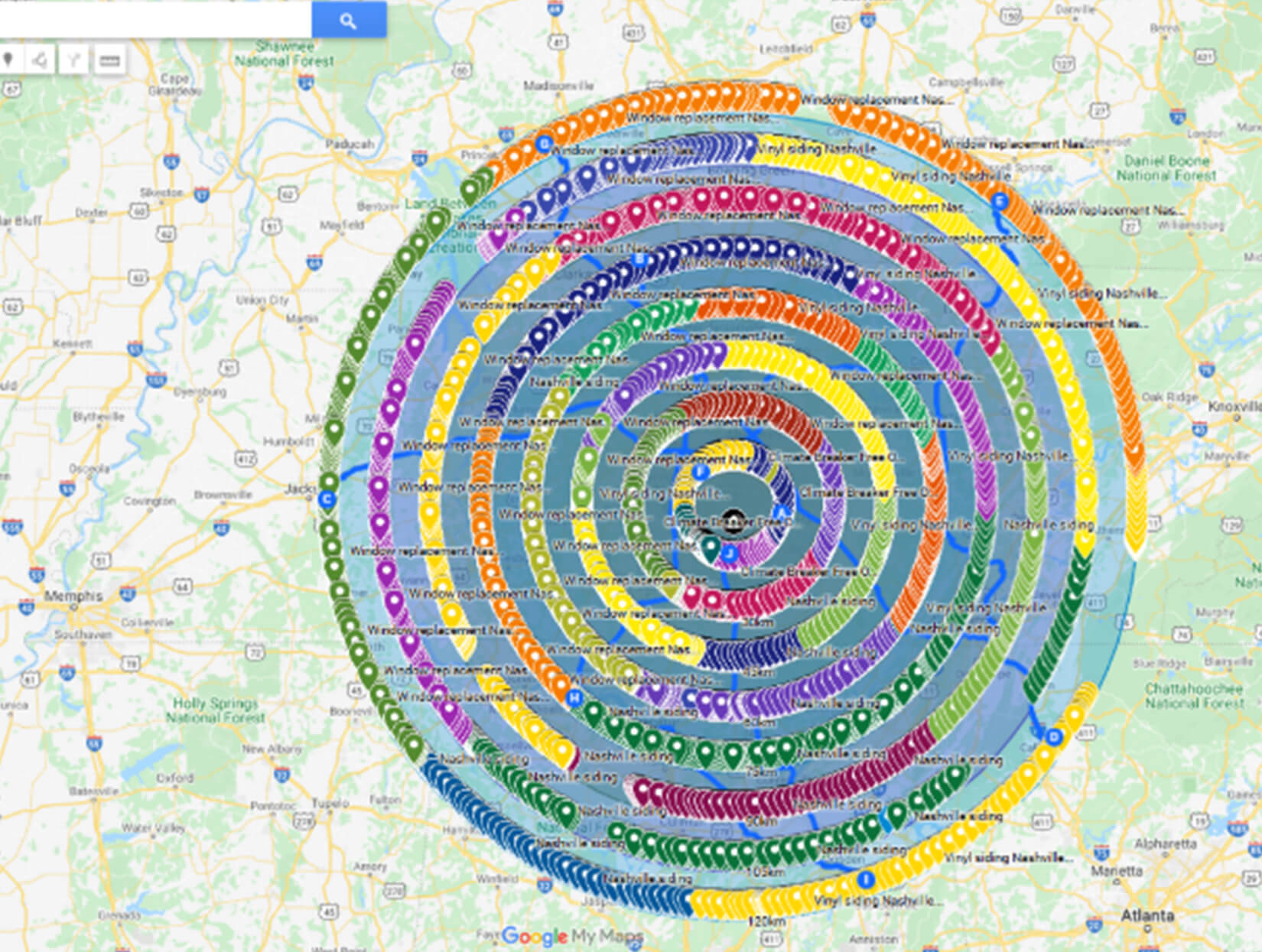
Citations are mentions of your business across the internet, typically on directories, maps, and industry-specific platforms. Their value lies in consistency. If your business name, address, phone number, or website appears differently across platforms, it weakens trust and confuses Google.
Modern local SEO focuses on a smaller set of reliable, relevant platforms rather than on hundreds of generic directories. A clean set of accurate citations reinforces your business identity and strengthens Google’s confidence in your information.
On-Site Localization
Location Pages and Schema
Your website still plays a significant role in local SEO. It should support your Google Business Profile, not contradict it.
A well-crafted location page should clearly describe who you are, where you are located, which services you provide in that area, and how customers can reach you. Each location page should be unique, rather than copied and pasted across multiple cities.
Structured data, or schema, sits behind the scenes and helps search engines read your information with precision. It identifies your business details in a machine-friendly format. This improves how your site connects with your Google profile and citations.
The Feedback Loop (Reputation)
Keyword-Driven Reviews
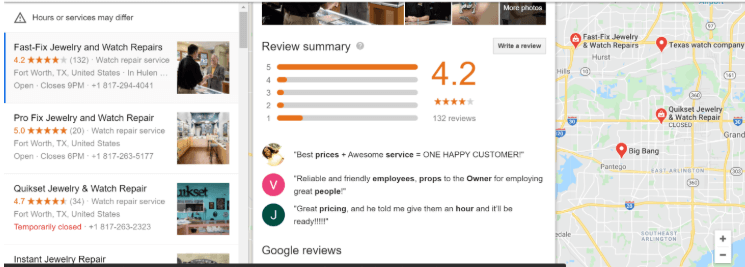
Reviews do more than build trust with customers. They influence your local visibility. The number of reviews, how recent they are, the rating, and what customers actually write all shape how strong you appear in local search.
Meaningful reviews usually mention the specific service and the area the customer belongs to. You cannot script these, but you can guide customers with thoughtful prompts.
A review like “Picked up my order in Defence and the team handled everything smoothly” carries far more weight than a generic “Good experience.”
Agencies cannot and should not manufacture fake reviews. What we can do is build the system and timing, so customers are asked at the right moment and feel encouraged to share honest, useful feedback.
Reporting
Geo Grid Tracking
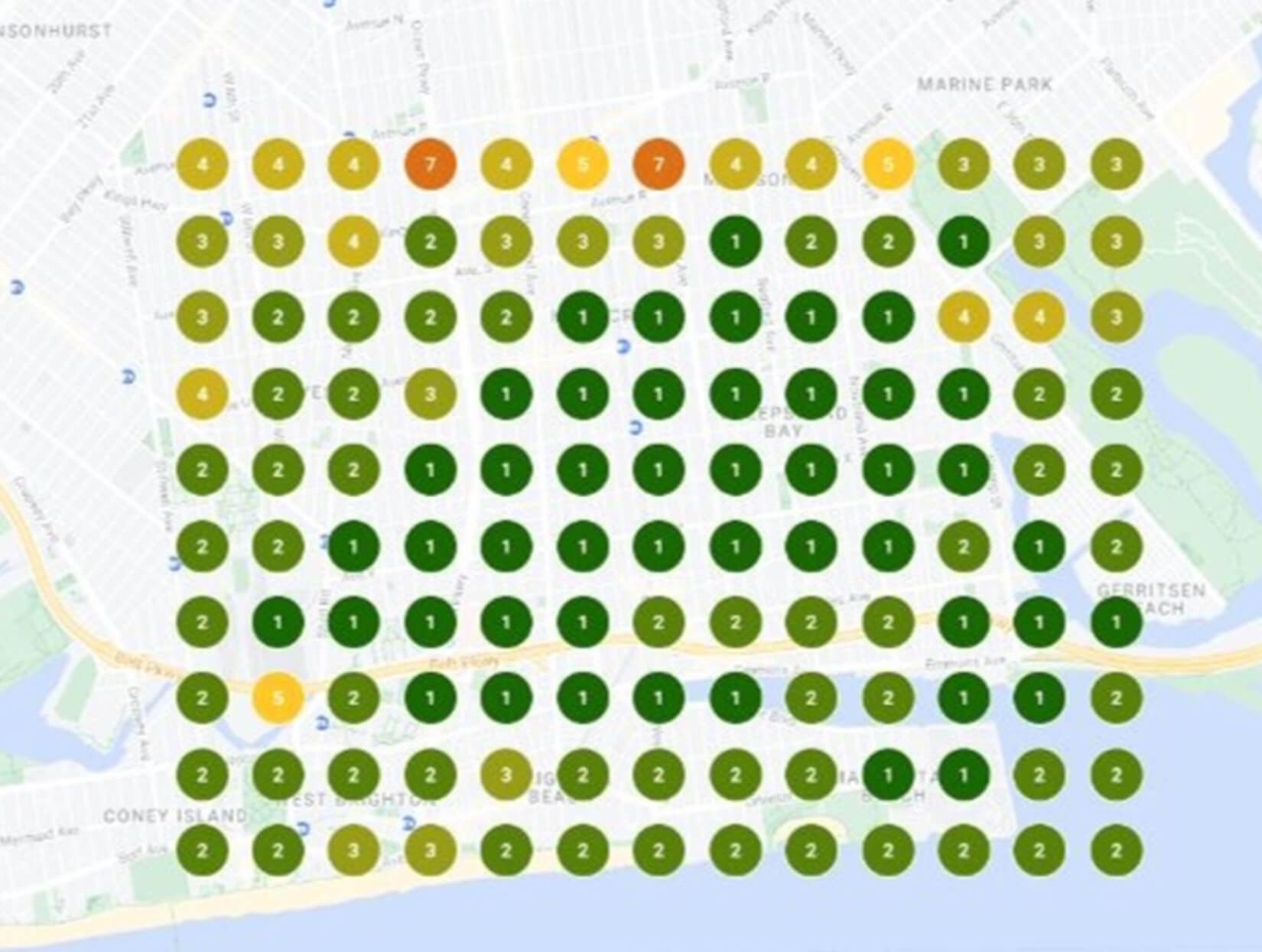
Standard rank tracking does not work for local SEO because rankings vary by location.
Geo grid tracking solves this by checking your ranking at multiple points across the map and visualizing your actual local footprint. You may rank first a street away, but drop significantly a few kilometers out. These variations reveal where you already dominate and where you need improvement.
This kind of reporting sets realistic expectations and helps prioritize efforts more effectively.
Benefits of Local SEO
Visibility at the Moment of Intent
Local searches usually happen with urgency. Someone searching for a clinic, repair service, or restaurant nearby is not browsing, they are deciding.
When your business appears in these results, local SEO puts you in front of customers who are already motivated. This is the core reason why local SEO is important for service-based and location-dependent businesses.
Higher Quality Leads, Not Just More Traffic
Unlike broad SEO, local SEO does not aim to attract everyone. It attracts people within reach of your business.
This means fewer wasted clicks and more meaningful interactions. Calls last longer. Visits convert better. Bookings feel more intentional. This is a key advantage of local business SEO compared to generic traffic strategies.
Trust Through Real-World Proof
Local SEO builds trust before a customer ever contacts you. Reviews, photos, location accuracy, and consistent information all work together to reduce hesitation.
When people see real experiences from nearby customers, the decision feels safer. This trust factor is one of the most overlooked local SEO best practices, yet it heavily influences conversions.
Stronger Performance on Google Maps
For many businesses, Google Maps visibility drives more action than traditional search results.
Local SEO helps your business appear in map listings for relevant searches, increasing calls, direction requests, and walk-ins. This is where local SEO optimization directly impacts revenue, not just rankings.
Protection Against Competitor Manipulation
Without a structured approach, competitors using better profiles, stronger reviews, or cleaner citations can easily outrank you, even if your service is better.
A clear strategy protects your visibility by reinforcing accurate information and reducing the impact of spam, fake listings, and misleading competitors.
More Predictable Growth Over Time
Paid ads stop the moment you stop paying. Local SEO compounds.
As your reviews grow, your profile strengthens, and your presence becomes more stable. This creates consistent visibility without constantly increasing ad spend. This long-term stability is one of the strongest benefits of local SEO for small and mid-sized businesses.
Better Customer Experience Overall
Local SEO forces clarity. Accurate hours, correct services, updated photos, and helpful answers make it easier for customers to interact with your business.
This clarity improves satisfaction, reduces confusion, and leads to better reviews, creating a feedback loop that strengthens performance naturally.
Cost Efficiency Compared to Other Channels
It often delivers a lower cost per lead over time compared to paid advertising. While setup and optimization require effort, the ongoing returns make it one of the most efficient growth channels when done correctly.
Scalability Without Losing Accuracy
As businesses grow or add locations, local SEO helps maintain consistency across each area. Without it, errors multiply quickly.
This is where a structured approach or professional local SEO services prevent long-term visibility issues and operational confusion.
Alignment With How People Actually Search
Moreover, it aligns your presence with real search behavior, not assumptions. That is why it continues to work so well for local businesses.
Conclusion
Local SEO is not about tricks. It is about clarity. When your Google profile, website, photos, reviews, and online presence all tell the same story, Google has no reason to hide you. The businesses that win are the ones that stay consistent, stay active, and give Google evidence that they are real and trustworthy.
If you want this implemented correctly, without guesswork or slow trial and error, Digital Eggheads builds these structures end to end so your business appears where it matters most: in front of nearby customers who are ready to buy.